PushYourDesign Interiors: Interior Design, Lifestyle Tips and Decorating Ideas for Modern Homes
A home is more than a place where people live. It is a space where daily routines happen, memories are created, families spend time together, and personal styles become visible. The way a home is arranged can influence comfort, organization, productivity, and the overall feeling of a space. This is why thoughtful interior design and decorating have become important parts of modern living.
PushYourDesign interiors brings together practical ideas about interior design, home decoration, lifestyle improvements, organization, and creative ways to make everyday spaces more comfortable. Whether you are updating a single room, decorating a new home, working with a small apartment, or simply looking for fresh inspiration, the right design ideas can help you make better decisions.
Modern interior design is moving toward spaces that feel personal, comfortable, warm, and practical. Current 2026 design discussions increasingly emphasize natural materials, warmer colors, layered textures, curved furniture, personalized rooms, sustainability, and interiors that look lived-in instead of overly coordinated. The most useful approach is not to follow every trend but to understand how current ideas can be adapted to your own space and lifestyle.
What Makes PushYourDesign Interiors Different?
Interior design does not have to mean expensive renovations or completely replacing everything in a room. Good design can begin with simple decisions such as moving furniture, improving lighting, organizing storage, changing textiles, adding plants, or selecting a better color combination.
The purpose of PushYourDesign interiors is to explore these possibilities in a practical way.
A useful home should combine three important qualities:
- Comfort for everyday living
- Functionality for practical activities
- Personality that reflects the people who live there
A room can be visually beautiful but difficult to use. Similarly, a highly functional room can feel uninspiring if it has no personal character. The best spaces find a balance between both.
Interior Design PushYourDesign: Creating Spaces That Work
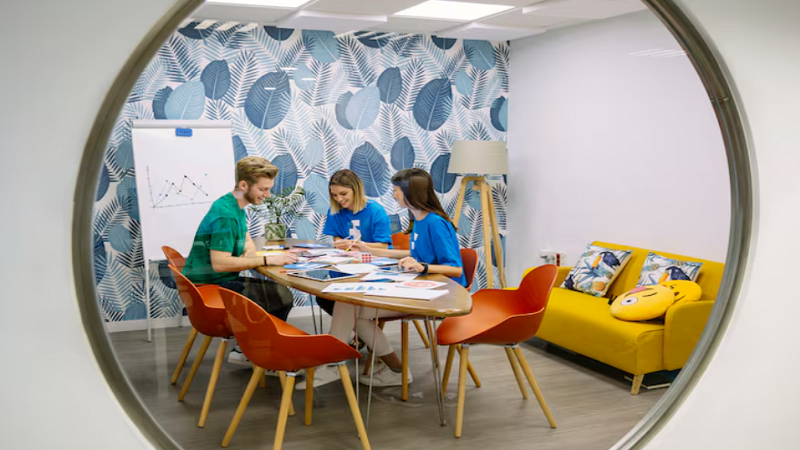
Interior design pushyourdesign focuses on the relationship between appearance and functionality. Before choosing colors or decorations, it is important to understand how a room will actually be used.
For example, a living room may need to accommodate family conversations, entertainment, reading, and guests. A bedroom should support rest and storage. A home office needs suitable lighting and an organized working area. A kitchen requires practical movement between preparation, cooking, storage, and cleaning areas.
Understanding the purpose of a room makes decorating decisions much easier.
Start With the Layout
The layout is one of the most important parts of interior design. Furniture should be arranged so that people can move comfortably without constantly walking around obstacles.
Before buying anything new, measure the room and identify:
- Doors and windows
- Main walking paths
- Electrical outlets
- Existing storage
- Natural light sources
- Heating or cooling equipment
- The main purpose of the room
A simple floor plan can help you test different furniture arrangements before spending money.
Choose Furniture According to the Space
Furniture should match the scale of the room. A large sectional sofa may look comfortable in a showroom but overwhelm a small living room.
Likewise, very small furniture in a large room can make the space feel empty.
Think about proportion rather than simply choosing individual pieces that look attractive.
Use Color With Purpose
Color can change the visual character of a room. Lighter shades can help reflect available light, while deeper colors can create a more intimate atmosphere.
A simple color system can include:
- A primary color for large surfaces
- A secondary color for furniture and textiles
- An accent color for smaller decorative details
Warm neutrals, earthy greens, muted blues, terracotta, natural wood, and soft beige tones can be combined in many contemporary interiors.
The most important point is consistency. Colors do not have to match perfectly, but they should work together.
Tips Lifestyle PushYourDesign for a More Comfortable Home

Good design should make everyday life easier. This is where tips lifestyle pushyourdesign can become useful for homeowners who want practical improvements rather than decoration alone.
Lifestyle design begins by considering how people actually spend their time at home.
Design Around Your Daily Routine
Think about what happens in each room during a normal day.
If you work from home, create a dedicated area where possible. If you regularly read, make a comfortable reading corner. If children need a place to study, provide an organized surface with suitable lighting.
The purpose is to make the home work for your routine instead of forcing your routine to work around the home.
Keep Frequently Used Items Accessible
Storage is most useful when it matches your habits.
Frequently used items should be easy to reach, while seasonal or rarely used belongings can be stored in less accessible areas.
Open shelves can display attractive objects, while closed cabinets can hide everyday clutter.
A good organization system should also be easy to maintain. If putting something away takes too much effort, the system may not work for everyday life.
Create a Relaxing Environment
A comfortable home can benefit from soft textures, appropriate lighting, organized surfaces, and enough open space.
In bedrooms, choose comfortable bedding and avoid unnecessary objects around the sleeping area.
In living rooms, arrange seating so that people can comfortably communicate.
Natural daylight should be used where possible during the day, while layered lighting can create a more comfortable atmosphere during the evening.
Tips Lifestyle on PushYourDesign: Practical Improvements for Everyday Living
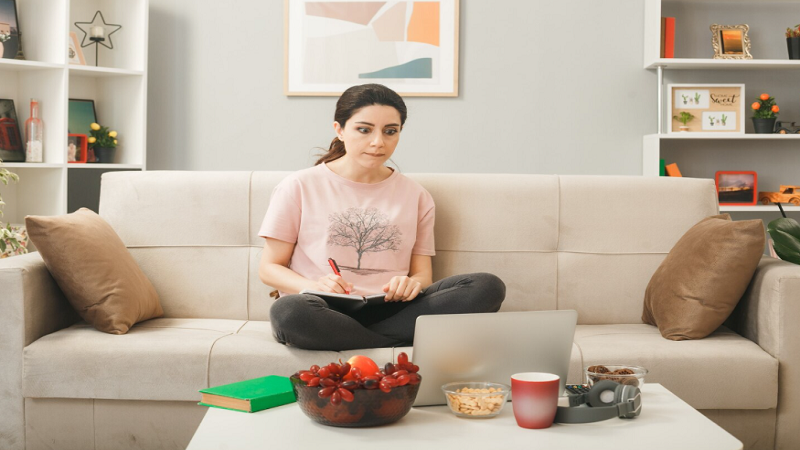
The concept of tips lifestyle on pushyourdesign can cover many small changes that improve the way a home feels and functions.
You do not always need a major renovation to create an improvement.
Declutter Before Decorating
One of the simplest ways to refresh a room is to remove unnecessary items.
Start with visible surfaces such as:
- Coffee tables
- Kitchen counters
- Shelves
- Desks
- Bedside tables
- Bathroom counters
Keep the objects that are useful, meaningful, or genuinely contribute to the room.
Removing unnecessary clutter can make existing furniture and decoration more noticeable.
Rearrange Existing Furniture
Before purchasing new furniture, experiment with what you already have.
Try moving a sofa to another wall, changing the position of a table, or creating a clearer walking path.
Sometimes a room feels uncomfortable because the furniture arrangement is inefficient rather than because the furniture itself is wrong.
Improve Lighting
Lighting has a major effect on how a room looks and feels.
A practical lighting plan can combine:
- General room lighting
- Task lighting
- Accent lighting
A desk may need a focused lamp, while a reading chair can benefit from a floor or table lamp. Decorative lighting can highlight artwork, architectural features, or plants.
The goal is to provide the right type of light for different activities.
Use Mirrors Carefully
Mirrors can reflect light and create the visual impression of greater openness. They can be especially useful in narrow hallways or rooms with limited natural light.
However, mirror placement matters. A mirror should ideally reflect something attractive or useful rather than an area of clutter.
Category on PushYourDesign: Exploring Different Interior Styles
The category on pushyourdesign can help readers understand the many different approaches available in modern interior design.
There is no single style that works for every home. Different styles can also be combined when they share compatible colors, materials, or proportions.
Modern Design
Modern interiors generally emphasize clean forms, practical furniture, simple decoration, and carefully considered spaces.
A modern room does not have to be cold. Warm wood, textured fabrics, artwork, plants, and comfortable seating can create a welcoming atmosphere.
Contemporary Design
Contemporary interiors change as current preferences develop. They can include curved furniture, updated lighting, expressive artwork, natural materials, and a mixture of neutral and stronger colors.
Rather than copying a complete trend, select contemporary elements that work with the existing architecture of your home.
Minimalist Design
Minimalism emphasizes simplicity and intentional choices.
A minimalist room may use fewer decorative objects, practical storage, simple furniture, and a limited color palette.
However, minimalism does not mean that a room must feel empty. Comfortable furniture, artwork, plants, and personal objects can still have an important place.
Scandinavian-Inspired Design
Scandinavian-inspired spaces often combine simplicity, natural materials, practical furniture, soft textiles, and lighter colors.
Wooden surfaces, comfortable seating, simple lighting, and organized storage can create a calm and functional environment.
Bohemian-Inspired Design
Bohemian-inspired interiors can include layered textiles, plants, artwork, patterns, handmade objects, and a mixture of colors.
Because this style can contain many visual elements, balance is important. Repeating selected colors or materials can help connect different pieces.
Traditional Design
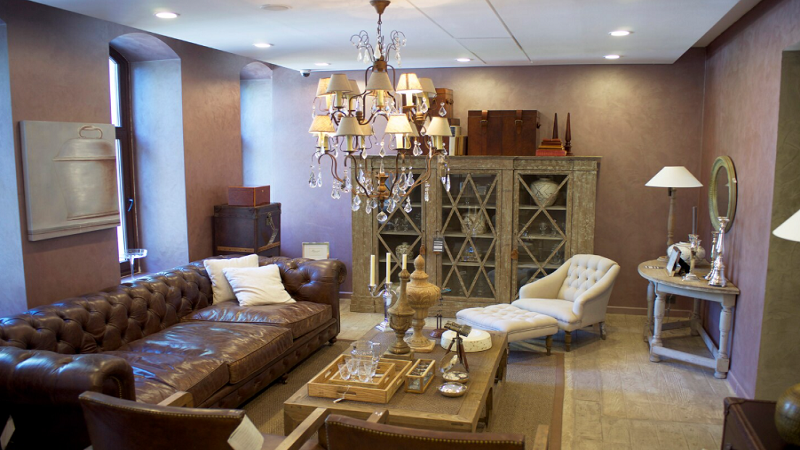
Traditional interiors can include classic furniture, detailed woodwork, established patterns, and timeless decorative elements.
Traditional pieces can also be combined with modern lighting or simpler accessories to create a more updated appearance.
Transitional Design
Transitional interiors combine traditional and contemporary influences.
For example, classic wooden furniture can be paired with modern lighting and neutral textiles. This approach can be useful for homeowners who want familiar elements without creating a completely traditional room.
Industrial Design
Industrial-inspired spaces may use metal, wood, darker finishes, simple furniture, and exposed structural details.
Soft rugs, comfortable seating, warm lighting, and plants can prevent an industrial room from feeling too hard or cold.
Decorating PushYourDesign: Ideas for Every Room
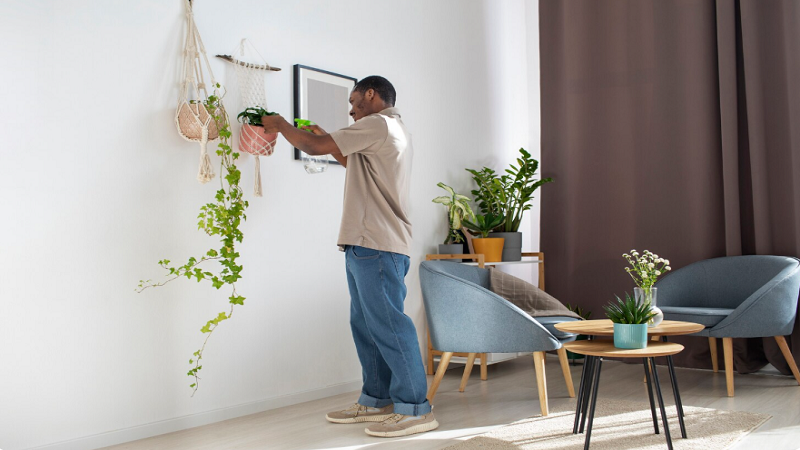
Decorating pushyourdesign can help homeowners approach different rooms according to their individual purposes.
Decoration should not simply fill empty space. Every item should ideally contribute to comfort, function, visual balance, or personal expression.
Living Room Decorating
The living room is often one of the most active areas of a home.
Begin with the main seating arrangement. Make sure there is enough space to walk around furniture and that seating is oriented toward the room’s main focal point.
A rug can visually connect the seating area, while cushions and throws can introduce color and texture.
Artwork can provide a focal point, while plants can bring natural elements into the room.
Avoid placing too many small objects on every surface. A few larger, meaningful pieces can often have more visual impact.
Bedroom Decorating
A bedroom should prioritize comfort and rest.
Choose furniture according to the size of the room. Leave enough space around the bed and avoid unnecessary furniture that makes movement difficult.
Soft bedding, suitable curtains, bedside lighting, and organized storage can make the room more practical.
A limited color palette can also help create a calmer visual environment.
Kitchen Decorating
Kitchen design needs to combine appearance with practicality.
Keep commonly used cooking equipment near the areas where it is needed. Organize cabinets and drawers so that frequently used items are easy to access.
If counter space is limited, avoid keeping too many appliances and decorative objects on the work surface.
Small details such as coordinated containers, a wooden cutting board, a plant, or a simple display shelf can add personality without interfering with food preparation.
Bathroom Decorating
Bathrooms benefit from good organization and easy-to-maintain materials.
Use cabinets, drawers, or shelves to keep personal products organized.
A well-positioned mirror can make the space feel more open, while appropriate lighting improves grooming and other everyday activities.
Choose bathroom accessories that can handle moisture and are simple to clean.
Home Office Decorating
A home office should support concentration and comfort.
Select a desk with enough surface area for your computer and other essential equipment. A suitable chair and task light are equally important.
Keep cables organized and avoid allowing paperwork to accumulate on the desk.
Plants, artwork, and a small shelf can add personality without distracting from work.
Small Space Decorating
Small rooms require careful planning.
Choose appropriately sized furniture and look for pieces that offer additional storage when possible.
Examples include:
- Storage beds
- Ottomans with compartments
- Wall-mounted shelves
- Foldable tables
- Compact desks
- Tall storage cabinets
Using vertical space can keep the floor more open.
A smaller number of well-selected objects can also make a compact room feel less crowded.
2026 Interior Design Trends Worth Exploring
Interior design trends change every year, but some broader themes are currently receiving attention.
One noticeable direction is the move toward warmer, more personal interiors. Designers and homeowners are increasingly exploring earthy colors, natural materials, tactile surfaces, handmade objects, and rooms that reflect individual preferences.
Warm Colors
Warm neutrals and earthy tones can make interiors feel comfortable and grounded.
Instead of using pure white everywhere, homeowners can experiment with cream, beige, warm gray, muted green, clay, terracotta, and natural wood.
These colors can also work as accents rather than covering an entire room.
Natural Materials
Wood, stone, ceramic, cotton, linen, and woven materials can add texture and visual warmth.
Natural materials do not need to dominate a room. A wooden side table, woven basket, ceramic lamp, or linen curtain can introduce this design direction gradually.
Layered Textures
Texture is becoming increasingly important in interiors.
A room can combine smooth furniture surfaces with textured rugs, woven accessories, soft cushions, and natural materials.
Layering creates depth without requiring a large number of colors.
Curved Furniture
Rounded sofas, curved chairs, circular mirrors, and softer furniture shapes can provide contrast in rooms dominated by straight lines.
One curved piece may be enough to introduce this style.
Personal Interiors
Homes are increasingly being treated as personal spaces rather than showroom displays.
Family photographs, artwork, vintage objects, travel memories, handmade items, and inherited furniture can make a room feel more individual.
A home does not have to look like a single catalog collection.
Sustainable Choices
Sustainability can be incorporated through practical choices such as repairing furniture, buying durable products, reusing existing materials, choosing secondhand pieces, and reducing unnecessary replacements.
Before purchasing something new, consider whether an existing item can be repaired, reused, or redesigned.
This can save money while also reducing waste.
How to Choose the Right Colors
Choosing colors becomes easier when you consider the room’s natural light and purpose.
North-facing rooms may receive different levels and qualities of daylight than rooms facing other directions. Artificial lighting can also change how paint and materials appear during the evening.
Before committing to a color, test a sample in the actual room and observe it at different times of day.
A useful palette can contain several related shades rather than many unrelated colors.
For example, a room might combine:
- Warm cream walls
- Natural wood furniture
- Muted green textiles
- Terracotta accents
- Neutral flooring
This creates variety while maintaining visual connection.
How to Make a Home Feel More Expensive Without Spending Too Much
A sophisticated interior does not necessarily require expensive furniture.
Attention to proportion, organization, lighting, and consistency can have a major effect.
Keep surfaces organized, select a coordinated color palette, use appropriately sized rugs, improve lighting, and choose a few meaningful decorative pieces.
Curtains that reach the correct height, well-positioned artwork, and properly arranged furniture can also make a room feel more finished.
The important point is not to imitate luxury interiors exactly but to understand the design principles behind them.
Budget-Friendly Decorating Ideas
A decorating project can be completed gradually.
Start by identifying what needs improvement most.
If the room is uncomfortable, prioritize furniture arrangement. If it feels dark, focus on lighting. If it looks cluttered, improve storage and organization.
Consider refreshing existing furniture instead of replacing it.
A wooden table may benefit from refinishing. A chair may look completely different after reupholstering. Old frames can be repainted, while shelves can be reorganized.
Small changes can create a noticeable difference when they address the actual problem.
Creating a More Organized Home
Organization is closely connected to interior design.
Every item should ideally have a logical place.
Use baskets for small belongings, drawer organizers for frequently used items, and labeled storage for seasonal objects.
Avoid creating storage systems that are too complicated.
If an item is used every day, it should be easy to access and easy to put away.
Regularly review belongings and remove items that are broken, unused, or no longer relevant to your lifestyle.
How to Plan a Home Decorating Project
A clear process can prevent wasted time and money.
Step 1: Define the Purpose
Decide what you want the room to achieve.
Is it for relaxation, work, entertaining, sleeping, studying, or several activities?
Step 2: Set a Budget
Determine how much you can comfortably spend.
Divide the budget between essential improvements and optional decoration.
Step 3: Measure the Space
Measure walls, doors, windows, and existing furniture.
Keep these measurements available when shopping.
Step 4: Select a Design Direction
Choose a general style and color palette.
You do not have to follow one design category completely. Combining compatible elements can create a more personal result.
Step 5: Choose the Main Furniture
Place the largest and most important pieces first.
Make sure they fit the room and leave comfortable pathways.
Step 6: Add Lighting
Include suitable general and task lighting.
Add accent lighting where it improves the room’s atmosphere or highlights specific features.
Step 7: Add Decoration
Introduce artwork, textiles, plants, books, photographs, and other meaningful objects.
Avoid filling every empty surface.
Step 8: Review the Room
After living with the arrangement for a while, identify what works and what does not.
Make small adjustments instead of immediately starting over.
Common Decorating Mistakes
Ignoring Room Measurements
Buying furniture without checking dimensions can lead to serious space problems.
Always measure first.
Using Too Many Trends
Trends can provide inspiration, but using too many at once may create an inconsistent room.
Choose ideas that fit your home and personal preferences.
Poor Lighting
Even attractive furniture can look less effective under unsuitable lighting.
Use different types of lighting for different purposes.
Too Much Clutter
Decoration should enhance a room rather than overwhelm it.
Leave enough open space around furniture and important decorative pieces.
Choosing Style Over Comfort
A beautiful chair is not useful if it is uncomfortable.
When selecting frequently used furniture, consider comfort and durability alongside appearance.
Forgetting Maintenance
Materials should match the practical needs of the room.
A delicate material may not be suitable for a busy family area, while moisture-sensitive items may not work well in a bathroom.
Building a Home That Reflects Your Lifestyle
The most meaningful interiors develop over time.
You do not need to purchase everything at once or choose a complete style from the beginning.
Start with the things you already love and identify the common elements among them.
Perhaps you prefer natural wood, warm colors, simple furniture, plants, artwork, or vintage pieces. These preferences can become the foundation of your home’s design direction.
A personal interior often feels more authentic because it reflects real experiences rather than following a temporary trend.
Why Interior Design and Lifestyle Work Together
Interior design affects how people interact with their surroundings.
An organized kitchen can make cooking easier. A comfortable living room can encourage conversation. A practical office can support focused work. A well-planned bedroom can create a calmer environment for rest.
This connection between design and daily life is why home improvement should not focus only on appearance.
The best changes solve real problems while also making the space more enjoyable.
Frequently Asked Questions
What is PushYourDesign about?
PushYourDesign focuses on interior design, decorating ideas, lifestyle information, home organization, and practical ways to improve everyday living spaces.
What is the most important part of interior design?
Functionality, comfort, layout, lighting, color, materials, and personal style all matter. The importance of each element depends on the room and the needs of the people using it.
How can I improve my home without renovating it?
Start with decluttering, furniture rearrangement, better lighting, updated textiles, improved organization, artwork, plants, and small decorative changes.
What are popular interior ideas for 2026?
Current design discussions include warm colors, natural materials, textured surfaces, personalized interiors, curved forms, handmade details, sustainability, and comfortable spaces designed around real lifestyles.
How do I choose an interior design style?
Start by collecting rooms and objects you like. Look for repeated colors, materials, furniture shapes, and patterns. These common elements can help you identify the design direction that suits you.
How can I decorate a small room?
Use appropriately sized furniture, vertical storage, multifunctional pieces, organized surfaces, and suitable lighting. Avoid blocking walkways and filling the room with unnecessary objects.
Should every room have the same style?
Not necessarily. Rooms can have different personalities while maintaining some connection through repeated colors, materials, flooring, or decorative elements.
Is expensive furniture necessary for good interior design?
No. Good planning, proportion, organization, lighting, and thoughtful decoration can have a significant effect without requiring expensive furniture.
Final Thoughts
A well-designed home is not defined by a particular trend, expensive furniture collection, or perfectly matched decorations. It is defined by how effectively the space supports the people who use it.
PushYourDesign interiors provides a foundation for exploring creative design ideas, practical home improvements, lifestyle solutions, and decorating inspiration. By understanding layout, color, lighting, materials, storage, and personal style, homeowners can make more thoughtful decisions about their spaces.
The principles behind interior design pushyourdesign can be applied to everything from a small apartment to a large family home. Simple improvements can often make a meaningful difference when they address genuine everyday needs.
Through tips lifestyle pushyourdesign and tips lifestyle on pushyourdesign, readers can explore practical ways to make their homes more comfortable, organized, and useful. Meanwhile, the category on pushyourdesign can provide different perspectives on interior styles, home ideas, organization, and modern living.
Whether your goal is a complete home transformation or simply a fresh look for one room, start with your needs. Measure your space, plan your budget, choose materials carefully, and introduce decoration gradually.
And when it comes to decorating pushyourdesign, remember that the strongest interiors are not necessarily the ones with the most decoration. They are the spaces where comfort, functionality, personality, and visual balance come together naturally. See More: thepushyourdesign.com