
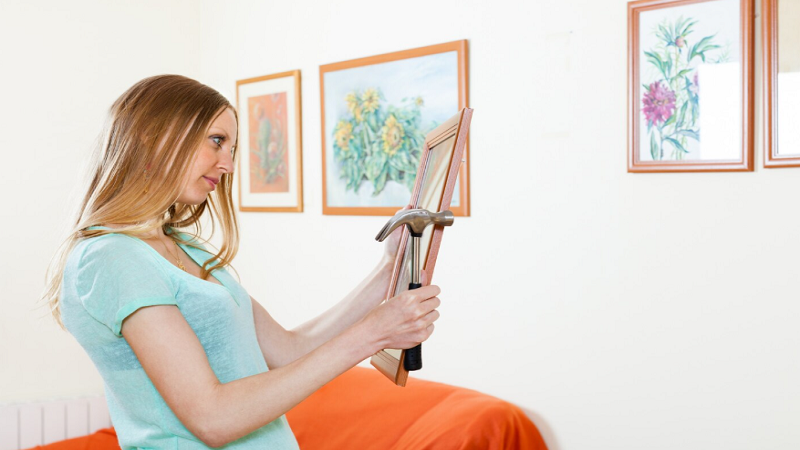
Decorating a home can be exciting, but it can also become confusing when you do not know where to begin. Choosing colors, furniture, lighting, wall art, rugs, and accessories can quickly feel overwhelming. The good news is that beautiful interiors do not require a huge budget or a complete renovation.
The right approach is to focus on balance, functionality, comfort, and personality. Whether you are refreshing a single room or decorating an entire home, a few thoughtful decisions can make a noticeable difference.
These decorating PushYourDesign tips are designed to help you create spaces that look intentional without making them feel overly designed. From choosing a color palette to arranging furniture and adding finishing touches, the following ideas can make decorating simpler and more enjoyable.
Start With the Purpose of the Room
Before buying anything, decide how the room will actually be used.
A living room designed mainly for entertaining will need a different layout from a quiet reading area. Similarly, a bedroom should prioritize comfort and relaxation rather than simply looking attractive.
Ask yourself:
- Who will use the room?
- What activities happen there?
- How much storage is needed?
- Does the room need to serve multiple purposes?
- Which existing pieces do you want to keep?
Once you understand the purpose, furniture and decoration choices become much easier.
For example, a family living room may benefit from comfortable seating, durable fabrics, practical storage, and a central coffee table. A formal sitting room may require a more symmetrical arrangement and decorative furniture.
Choose a Color Palette Before Decorating
One of the easiest ways to create a cohesive interior is to establish a color palette early.
You do not need to use exactly the same color throughout the room. Instead, select a few related shades that work together.
A simple approach is:
- Main color: Used on walls or larger surfaces.
- Secondary color: Appears in furniture, curtains, rugs, or larger accessories.
- Accent color: Used in cushions, artwork, decorative objects, or smaller details.
Neutral colors such as white, beige, gray, cream, and soft brown can provide a flexible foundation. Stronger colors can then be introduced through accessories and artwork.
If you already own a colorful sofa, rug, or piece of artwork, use it as inspiration for the rest of the room.
Test Colors Before Making a Final Decision
Paint can look different depending on natural light, artificial lighting, room size, and surrounding colors.
Instead of immediately painting the entire room, test a small section or sample several shades. Look at them during different times of the day before deciding.
Think About Furniture Placement First
Furniture arrangement can have a bigger impact on a room than decorative accessories.
Avoid automatically pushing every piece of furniture against the walls. Depending on the room, bringing furniture slightly inward can create a more comfortable conversation area.
Consider:
- Creating a clear walking path.
- Keeping enough space between major furniture pieces.
- Positioning seating toward a natural focal point.
- Making sure doors and windows remain accessible.
- Leaving enough room to move comfortably.
In a living room, for example, seating can be arranged around a coffee table while maintaining an easy route through the space.
A room should not only look good from one angle. Think about how it feels when someone enters and moves through it.
Create a Focal Point
Every room benefits from something that naturally attracts attention.
A focal point might be:
- A fireplace
- A large artwork
- An interesting headboard
- A statement light fixture
- A textured accent wall
- A beautiful view
- A distinctive piece of furniture
Once you identify the focal point, arrange other elements so they support rather than compete with it.
For example, if a large artwork is the main feature of a living room, avoid filling the surrounding wall with too many competing decorations.
Use Lighting as Part of the Decoration
Lighting is not simply functional. It also influences the mood and visual character of a room.
A well-decorated space usually benefits from more than one type of lighting.
Ambient Lighting
This provides general illumination throughout the room. Ceiling fixtures and larger lamps are common examples.
Task Lighting
Task lighting is useful for specific activities such as reading, working, cooking, or studying.
Accent Lighting
Accent lighting draws attention to particular objects or areas, such as artwork, shelves, plants, or architectural features.
Using several lighting sources gives you more flexibility than relying on one bright ceiling light.
Add Texture for Visual Interest
A room can have a beautiful color scheme and still feel flat. Texture helps solve that problem.
You can introduce texture through:
- Wool or woven rugs
- Linen curtains
- Knitted cushions
- Wooden furniture
- Ceramic accessories
- Baskets
- Natural stone
- Textured wall finishes
- Soft blankets
The key is to combine different surfaces rather than using the same material everywhere.
For example, a smooth table can look more interesting when paired with a textured rug and soft fabric seating.
Use Rugs to Define Areas
Rugs can help organize a room visually, particularly in larger or open-plan spaces.
A rug can define:
- A living room seating area
- A dining area
- A bedroom zone
- A reading corner
- An entryway
Pay attention to proportion. A rug that is too small can make a furniture arrangement appear disconnected.
Ideally, important furniture pieces should relate visually to the rug rather than appearing scattered around it.
Decorate Walls Without Overcrowding Them
Empty walls can make a room feel unfinished, but filling every available space can create visual clutter.
Instead of hanging many unrelated pieces, consider creating a deliberate arrangement.
Wall decoration ideas include:
- Large-scale artwork
- Gallery walls
- Mirrors
- Decorative shelves
- Framed photography
- Textile wall hangings
- Simple architectural details
When creating a gallery wall, consider the overall composition before putting holes in the wall. Lay the frames on the floor first to experiment with spacing and arrangement.
Bring Nature Indoors
Plants can add life, softness, and color to an interior.
You do not need a large collection. One well-positioned plant can make a noticeable difference.
Consider placing plants:
- Near bright windows
- In empty corners
- On shelves
- Beside furniture
- On kitchen counters
- In entryways
Choose plants according to the available light and the amount of care you can realistically provide.
If maintaining live plants is difficult, natural materials such as wood, woven fibers, and dried botanical arrangements can still introduce an organic feeling.
Avoid Buying Everything From One Collection
Matching furniture sets may seem convenient, but using too many identical pieces can make a room feel predictable.
A more layered interior often combines different shapes, materials, and finishes.
For example, a room might include:
- A modern sofa
- A vintage-inspired side table
- A wooden coffee table
- A contemporary lamp
- Handmade-looking accessories
The pieces do not need to match perfectly. They simply need to work together.
Decorate With Meaningful Objects
A home should reflect the people who live there.
Instead of choosing accessories only because they are currently popular, include objects that have personal meaning.
These might include:
- Travel memories
- Family photographs
- Favorite books
- Handmade items
- Artwork
- Collected objects
- Heirlooms
Personal pieces can make an interior feel authentic rather than staged.
Use the Rule of Repetition
Repeating a color, shape, material, or finish can make different pieces feel connected.
For example, if a room includes black metal lighting, you could repeat small black details in picture frames, furniture legs, or decorative accessories.
Likewise, warm wood tones can appear in several areas without requiring every wooden item to be identical.
Repetition creates visual consistency while still allowing variety.
Pay Attention to Scale and Proportion
A common decorating mistake is choosing items that are individually attractive but incorrect for the size of the room.
A tiny artwork above a large sofa may appear lost. A very large coffee table may make a small living room difficult to navigate.
Before purchasing furniture or major decorations, measure the available space.
Consider:
- Room dimensions
- Ceiling height
- Furniture width and depth
- Walking space
- Door openings
- Window positions
Using painter’s tape on the floor can also help you visualize the footprint of furniture before buying it.
Keep Clutter Under Control
Good decorating is not about adding more and more objects.
Sometimes removing something improves a room more than buying something new.
Start by identifying items that are:
- Broken
- Rarely used
- Visually distracting
- Duplicates
- Out of proportion
- No longer meaningful
Storage can then be used to keep everyday items organized.
Closed cabinets, baskets, drawers, and storage benches can help maintain a cleaner appearance while keeping necessary belongings accessible.
Make Small Rooms Feel More Spacious
Small spaces require careful planning, but they do not have to feel cramped.
Try these approaches:
- Choose appropriately sized furniture.
- Keep walking paths clear.
- Use mirrors strategically.
- Take advantage of vertical storage.
- Avoid excessive decoration.
- Use lighter visual elements where appropriate.
- Keep frequently used surfaces organized.
Multifunctional furniture can also be useful. An ottoman with storage or a desk that doubles as a console can provide additional functionality without requiring more floor space.
Decorate on a Budget
You do not need to replace everything to refresh a room.
Some affordable changes can have a significant visual effect.
Try:
- Rearranging existing furniture.
- Changing cushion covers.
- Updating lampshades.
- Adding artwork.
- Repainting a wall.
- Introducing plants.
- Changing curtains.
- Decluttering shelves.
- Rearranging books and accessories.
- Adding a new rug to define an area.
Before shopping, look at what you already own. Sometimes a forgotten chair, artwork, or accessory can work beautifully in another room.
Let the Home Develop Over Time
One of the most useful decorating principles is to avoid trying to finish everything immediately.
A home can evolve gradually.
Start with essential furniture and functional pieces. Then observe how you use the room. Over time, add artwork, accessories, plants, textiles, and other elements that genuinely improve the space.
This approach can prevent unnecessary purchases and gives the interior a more natural character.
Common Decorating Mistakes to Avoid
Even a simple design can go wrong when basic planning is ignored.
Buying Furniture Before Measuring
Always measure the room and check furniture dimensions before purchasing.
Using Too Many Colors
A large number of unrelated colors can make a room feel chaotic. A controlled palette usually creates a calmer result.
Ignoring Lighting
Beautiful furniture can look completely different under poor lighting. Plan lighting alongside the rest of the design.
Decorating Every Surface
Not every shelf, wall, or tabletop needs decoration. Empty space can provide visual breathing room.
Following Trends Too Closely
Trends can provide inspiration, but your home should remain comfortable and personal. Choose ideas that fit your lifestyle rather than copying a look simply because it is fashionable.
A Simple Decorating Process You Can Follow
If you are unsure where to start, use this step-by-step method.
Step 1: Define the purpose.
Determine how the room will be used.
Step 2: Measure the space.
Record room dimensions, doors, windows, and important architectural features.
Step 3: Choose a color palette.
Select a main shade, supporting colors, and one or two accents.
Step 4: Plan furniture placement.
Create comfortable zones and clear pathways.
Step 5: Establish a focal point.
Choose the feature that should attract attention first.
Step 6: Layer the lighting.
Combine general, task, and accent lighting where appropriate.
Step 7: Add textiles and texture.
Use rugs, curtains, cushions, throws, and different materials.
Step 8: Add personality.
Bring in artwork, books, plants, photographs, and meaningful objects.
Step 9: Remove unnecessary items.
Step back and identify anything that feels excessive.
Step 10: Live with the space.
Give yourself time to discover what the room still needs.
Final Thoughts
Successful decorating is less about following a perfect formula and more about creating a space that works for the people who live in it. The strongest interiors usually combine practical furniture placement, thoughtful color choices, appropriate lighting, varied textures, and personal details.
These decorating PushYourDesign tips can help you approach the process with greater confidence. Start with the basics, avoid unnecessary clutter, and make changes gradually. You do not have to transform an entire home at once.
A well-decorated room should ultimately feel comfortable, functional, balanced, and personal. When those qualities come together, even simple decorating choices can create a home that feels genuinely inviting.
FAQs
1. What is the first step when decorating a room?
Start by determining how the room will be used. Understanding its purpose helps you choose the right furniture, layout, colors, lighting, and storage.
2. How many colors should be used in a room?
There is no fixed number, but using a clear main color with supporting and accent shades can make the room easier to coordinate. The colors should complement each other rather than compete.
3. How can I decorate my home without spending a lot?
Rearrange existing furniture, declutter, update textiles, add plants, create simple artwork displays, and reuse decorative pieces in different rooms before buying new items.
4. How do I make a small room look better?
Prioritize appropriately sized furniture, clear walking paths, organized storage, and thoughtful decoration. Mirrors and vertical storage can also help make better use of limited space.
5. Should every piece of furniture match?
No. A room can feel more interesting when different furniture styles and materials are combined thoughtfully. Repeating certain colors, finishes, or shapes can help create unity without making everything identical. See More