
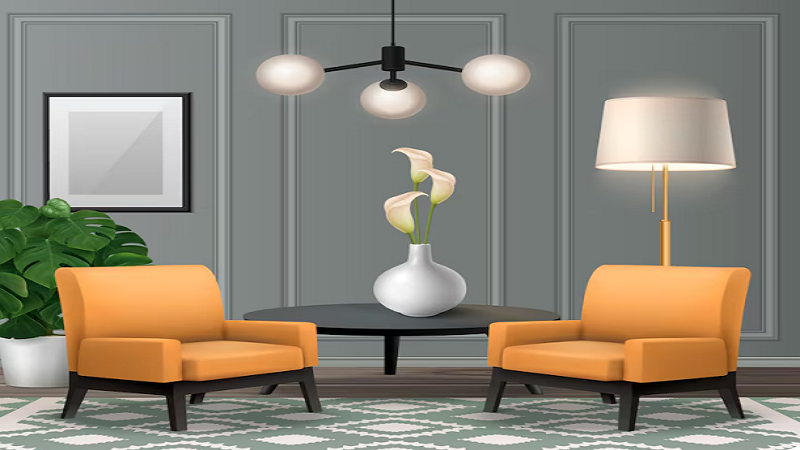
A well-designed home should do more than look beautiful. It should support everyday life, feel comfortable, and reflect the personality of the people living in it. This is the central idea behind PushYourDesign Interiors—creating spaces where style and practicality work together.
The PushYourDesign approach to interiors focuses on thoughtful choices rather than blindly following trends. Color, furniture, lighting, storage, texture, and decorative details all play an important role, but the best results come from understanding how a room is actually used. A beautiful living room that feels uncomfortable, a stylish bedroom with poor lighting, or a modern office without enough storage may look good in photographs but fail to meet everyday needs.
Current content across PushYourDesign’s interior design and decorating sections consistently emphasizes balancing appearance with comfort, choosing furniture according to room size, using layered lighting, adding personal details, and making practical use of small spaces.
This guide explores how PushYourDesign Interiors can help you make better design decisions and create a home that is stylish, personal, organized, and enjoyable to live in.
What Is PushYourDesign Interiors?
PushYourDesign Interiors is an approach to interior design that combines creativity with everyday functionality. Instead of believing that every room must follow one fixed style, it encourages homeowners to consider their own lifestyle, available space, preferences, and practical requirements.
Every home is different. A compact apartment may require multifunctional furniture and clever storage, while a larger family home may need separate zones for relaxing, eating, working, and entertaining. The right design should respond to these differences.
Before making changes, consider questions such as:
- How is this room used every day?
- How many people use the space?
- Does the room receive enough natural light?
- What furniture is genuinely necessary?
- Where can everyday items be stored?
- Which colors and materials make the space feel comfortable?
- What personal elements would make the room feel more meaningful?
The goal is not simply to fill a room with attractive items. It is to create a space where every important element has a purpose.
Start With How You Actually Live
One of the biggest mistakes in interior design is designing only for appearance. A room may copy a popular online trend perfectly but still feel unsuitable for the people using it.
For example, a home with children or pets may benefit from durable materials, practical seating, and easy-to-maintain surfaces. Someone working from home may need a quiet workspace with proper lighting and organization. A bedroom should usually support relaxation, while a dining area should make eating and gathering comfortable.
With PushYourDesign Interiors, lifestyle comes before unnecessary decoration.
Start by observing your daily routine. Notice where clutter collects, which areas feel crowded, and which furniture is rarely used. These details can reveal what the room actually needs.
A successful interior solves problems while improving the visual experience.
Build a Clear Design Direction
You do not have to copy one complete design style. Your home can combine influences as long as the overall space feels balanced.
Some popular directions include:
Modern
Modern interiors often use clean lines, simple forms, open layouts, and limited visual clutter. Furniture tends to be practical, while decorative elements are selected carefully.
Minimal
Minimal design focuses on keeping only what is useful or meaningful. This does not mean a room has to feel empty. Texture, natural materials, soft lighting, and thoughtful furniture can make a minimal interior feel warm.
Contemporary
Contemporary interiors reflect current design preferences while remaining flexible. They may combine neutral colors, modern finishes, comfortable furniture, and artistic accents.
Rustic and Natural
Wood, stone, woven materials, linen, and other natural textures can create a warm and relaxed environment. This style can work beautifully in both traditional homes and modern spaces.
Eclectic
An eclectic interior mixes different periods, materials, and influences. The key is creating a connection between the pieces through color, scale, texture, or repeated design details.
The best style is ultimately the one that feels natural to you. PushYourDesign Interiors is about using inspiration as a starting point rather than allowing a trend to control every decision.
Use Color to Shape the Atmosphere
Color has a powerful effect on the way a room feels. Soft neutrals can create a calm background, while deeper shades can add warmth and drama. Brighter colors may bring energy when used carefully.
A useful approach is to begin with a main color direction and then add supporting shades. Instead of introducing many unrelated colors, create a palette that connects the walls, furniture, textiles, and accessories.
For example, you might use:
- A neutral base on large surfaces
- A secondary shade in curtains or rugs
- An accent color through cushions, artwork, or decorative objects
- Natural materials to add warmth and texture
This approach makes the room feel coordinated without making everything look identical.
Remember that lighting changes the appearance of color. Test paint samples in the room itself and observe them during different times of day before making a final decision.
Choose Furniture According to Space and Purpose
Furniture can make a room comfortable or make it feel instantly overcrowded. Before purchasing a sofa, table, bed, or cabinet, measure the available space carefully.
A piece of furniture may look perfect in a showroom but be completely wrong for your room.
Consider both size and function. Leave enough room to walk comfortably and avoid filling every empty corner simply because space is available. Open areas are important too.
For smaller homes, multifunctional furniture can be particularly useful. Examples include:
- Storage benches
- Beds with built-in drawers
- Extendable dining tables
- Nesting tables
- Ottomans with hidden storage
- Wall-mounted desks
- Modular seating
PushYourDesign Interiors encourages choosing furniture that earns its place in the room. A beautiful item is even more valuable when it also makes daily life easier.
Create Better Lighting With Layers
Lighting should never be treated as an afterthought. It influences comfort, mood, visibility, and the way colors and textures appear.
Rather than relying on a single ceiling fixture, create layers of light.
Ambient Lighting
This provides general illumination for the room. Ceiling fixtures and other main lights usually serve this purpose.
Task Lighting
Task lighting supports specific activities such as reading, cooking, working, or applying makeup. Desk lamps, under-cabinet lighting, and bedside lamps are common examples.
Accent Lighting
Accent lighting draws attention to artwork, architectural features, plants, or decorative displays.
Natural light also deserves attention. Avoid blocking windows unnecessarily and consider window treatments that give you control over privacy and sunlight.
A room with thoughtful lighting can feel completely different at different times of the day. This flexibility makes the space more useful and inviting.
Add Texture for Depth and Warmth
A room designed with only one type of surface can sometimes feel flat. Texture adds depth without requiring extra clutter.
You can combine materials such as:
- Soft fabrics
- Natural wood
- Glass
- Metal
- Stone
- Woven baskets
- Rugs
- Linen
- Ceramic accessories
The contrast between materials makes a space more visually interesting. A smooth table may look warmer with a textured runner, while a simple sofa can gain character through cushions and a soft throw.
The key is balance. Too many competing textures may make a room feel busy, but a few carefully selected materials can create a richer and more comfortable environment.
Make Small Spaces Work Harder
Small rooms require smart planning, but limited square footage does not mean limited style.
Begin by removing unnecessary items. Clutter can make even a reasonably sized room feel smaller. Keep pathways clear and choose furniture with an appropriate scale.
Useful small-space strategies include using vertical storage, selecting furniture with multiple functions, and making use of underused areas.
Wall shelves, tall cabinets, and carefully planned storage can reduce the need for extra floor furniture. Mirrors can also help reflect light and create a greater sense of openness.
However, do not depend on visual tricks alone. The real improvement comes from better organization and smarter furniture choices.
PushYourDesign Interiors shows that a small room can feel comfortable when every element is planned around how the space is used.
Add Personality Without Creating Clutter
A home should not look like a generic showroom. Personal details are often what make an interior memorable.
You can include:
- Artwork you genuinely enjoy
- Family photographs
- Books
- Travel souvenirs
- Handmade objects
- Meaningful collections
- Plants
- Vintage pieces
The important thing is editing. You do not need to display everything at once. A few meaningful objects arranged thoughtfully often create more impact than dozens of random accessories.
Give decorative pieces room to breathe. Empty space can help important items stand out and make the overall interior feel calmer.
Focus on Organization and Storage
Organization is a major part of good interior design because clutter can quickly hide the beauty of a room.
Think about where everyday items belong. Frequently used objects should be easy to access, while less-used belongings can be stored away.
Closed cabinets can hide visual clutter, while open shelving can display books, plants, and selected decorative objects. Baskets and storage boxes can help organize smaller items.
Before buying additional storage, consider decluttering first. Keeping fewer unnecessary items can make the entire home easier to manage.
A stylish room is easier to enjoy when it remains practical after the initial decorating is finished.
Refresh Your Home Without a Complete Renovation
You do not always need to redesign an entire home to see a noticeable difference. Small updates can create a fresh appearance while keeping the project manageable.
Try one or more of these ideas:
- Rearrange your existing furniture
- Replace outdated cushion covers
- Add an area rug
- Update a lamp or light fixture
- Paint a feature wall
- Move artwork to a new location
- Add plants or natural materials
- Refinish an older piece of furniture
- Improve storage in cluttered areas
- Replace heavy window coverings with lighter options
Making changes gradually also gives you time to understand what works. Instead of buying everything at once, develop the room step by step.
Common Interior Design Mistakes to Avoid
Even a good decorating idea can fail when planning is ignored. Common mistakes include:
Buying Before Measuring
Always check dimensions. Large furniture can block movement and make a room feel crowded.
Following Trends Without Thinking
A popular trend may not match your lifestyle, home, or personal taste.
Ignoring Lighting
Poor lighting can make even expensive furniture and beautiful colors look less appealing.
Adding Too Much Decor
Not every empty surface needs an object. Allow the room to feel open.
Choosing Looks Over Comfort
A chair, sofa, or workspace should be pleasant to use, not simply attractive.
Forgetting Storage
Without enough practical storage, clutter may eventually take over the room.
Decorating Every Room Separately
Each room can have its own personality, but repeating a few colors, materials, or design details can create a stronger connection throughout the home.
Why PushYourDesign Interiors Is a Practical Approach
The strength of PushYourDesign Interiors is its flexibility. It does not require a huge budget, a complete renovation, or one strict design style. Instead, it encourages thoughtful decisions based on the home and the people living in it.
The wider Push Your Design content also centers on interior design, home decor, furniture ideas, and home improvement, supporting a practical approach to improving spaces one decision at a time.
Good interiors are created by asking the right questions before making purchases. Does the furniture fit? Does the room have enough light? Is there enough storage? Do the colors work together? Does the space feel personal?
When the answers are considered carefully, style and functionality become easier to combine.
Final Thoughts
PushYourDesign Interiors is about creating spaces that look good, work well, and feel personal. The best home is not necessarily the most expensive or the one that follows every current trend. It is the one that supports your daily routine while giving you a sense of comfort and belonging.
Start by understanding the room and the way you use it. Choose furniture that fits, create a balanced color palette, layer your lighting, add useful storage, and introduce personal details with intention. Use texture and natural materials to create warmth, and avoid clutter by keeping only what adds function or meaning.
Whether you are updating one small bedroom or planning an entire home, thoughtful choices can produce a major transformation. With creativity, careful planning, and a focus on real-life comfort, PushYourDesign Interiors can inspire you to create a space that feels stylish today and remains enjoyable for years to come. See More